
Instagram and Facebook Live, Instagram Chats & Your Privacy: What Baltimore County and Harford County Residents Need to Know
In today’s digital world, the vast majority of criminal cases I handle in Baltimore County or Harford County involves social media evidence. From Facebook Live streams to Instagram direct messages, prosecutors are increasingly using online communications to build cases.
But here’s the critical question:
Do you have a reasonable expectation of privacy when using Facebook Live or Instagram chat?
As a criminal defense attorney practicing in Baltimore County, Maryland, I can tell you — the answer depends on the circumstances.
The Legal Standard: “Reasonable Expectation of Privacy”
The Fourth Amendment protects against unreasonable searches and seizures. The governing test comes from:
📚 Katz v. United States, 389 U.S. 347, 351–52 (1967)
In Katz, the Supreme Court held that “the Fourth Amendment protects people, not places,” and established the reasonable expectation of privacy test. Id. at 351. Justice Harlan’s concurrence articulated the two-part test: (1) a subjective expectation of privacy, and (2) one society is prepared to recognize as reasonable. Id. at 361 (Harlan, J., concurring).
Facebook Live: Public Broadcast = No Privacy
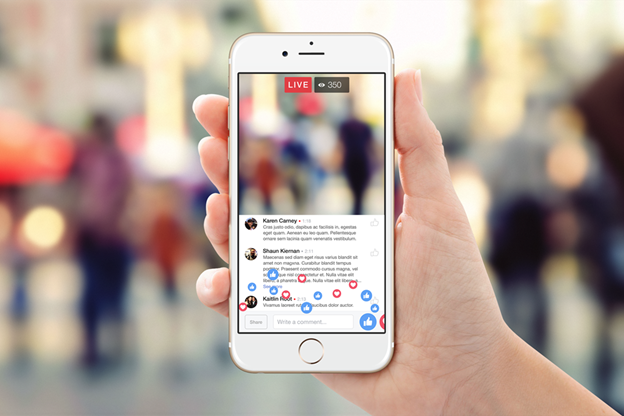
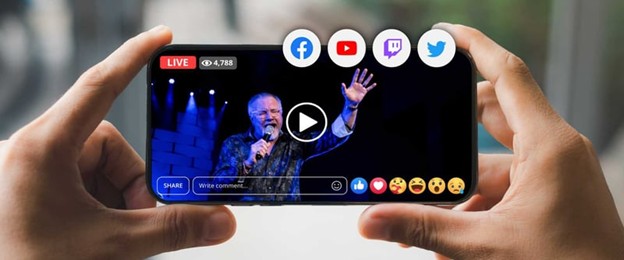
 If you stream publicly on Facebook Live, courts generally find:
You voluntarily broadcast the content.
Anyone can view, record, or share it.
Law enforcement does not need a warrant to observe publicly available content.
This principle aligns with the “third-party doctrine,” developed in:
United States v. Miller, 425 U.S. 435, 443 (1976).
Smith v. Maryland, 442 U.S. 735, 743–44 (1979).
Once you voluntarily expose information to the public or a third party, courts often find no reasonable expectation of privacy.
Instagram Direct Messages: A Closer Question
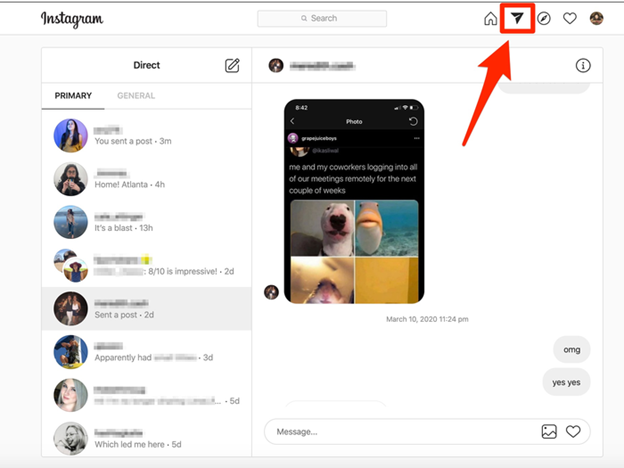
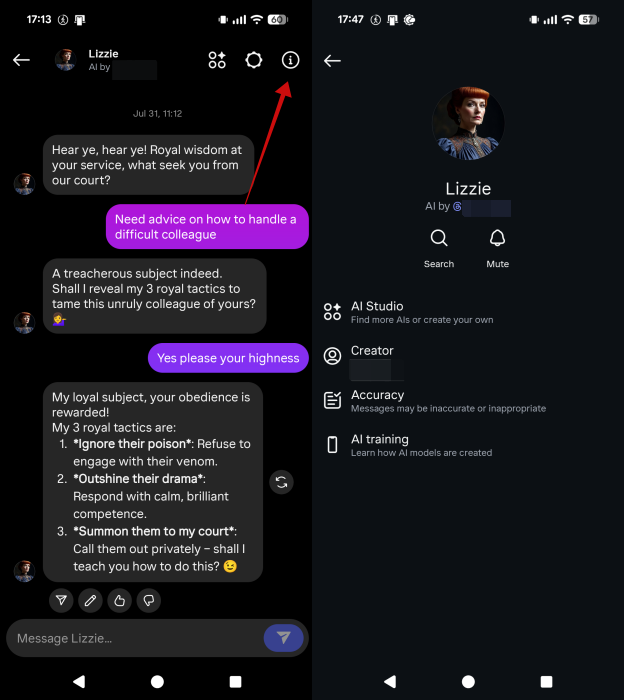
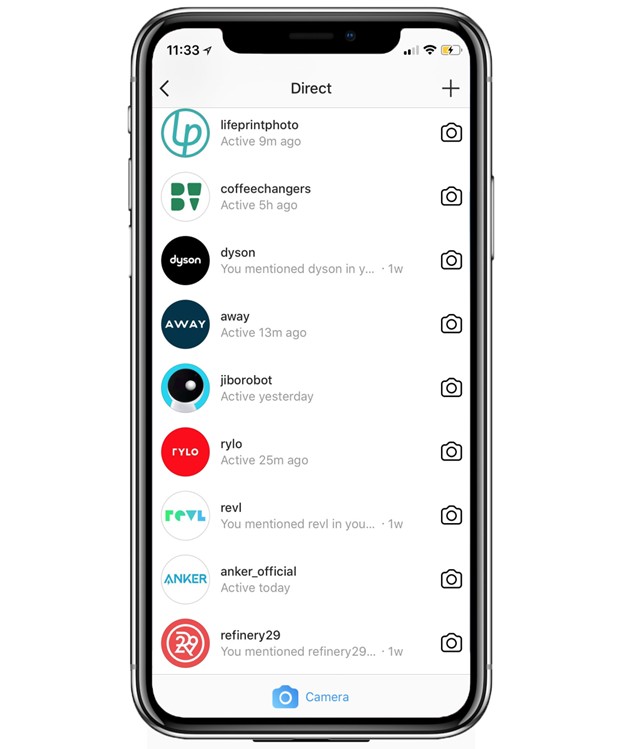 Instagram DMs may feel private — but whether they are legally protected depends on how the messages were obtained.
If the recipient turns over the messages to police, courts typically find no Fourth Amendment violation. See Smith, 442 U.S. at 743–44.
When law enforcement compels production from the platform itself, the Stored Communications Act (18 U.S.C. §§ 2701–2712) governs the process. Improperly obtained content may be challenged in court.
Maryland Wiretap Law: Two-Party Consent
Maryland has one of the strictest wiretap statutes in the country. The Maryland Wiretap Act (Md. Code, Cts. & Jud. Proc. § 10-402) requires all-party consent to record a private conversation.
📚 State v. Graber, 196 Md. App. 259, 271–72 (2010)
In Graber, the court emphasized that the statute protects only communications where there is a reasonable expectation of privacy. Id. at 271–72.
If a communication is private and recorded without consent, suppression may be appropriate in a Baltimore County criminal case.
Federal Wiretaps & Strict Compliance
📚 United States v. Giordano, 416 U.S. 505, 527–28 (1974)
The Supreme Court in Giordano required strict compliance with statutory authorization procedures for wiretaps and suppressed improperly authorized interceptions. Id. at 527–28.
Digital Privacy Is Evolving
📚 Riley v. California, 573 U.S. 373, 401 (2014)
In Riley, the Court held that police generally must obtain a warrant before searching digital information on a cell phone seized incident to arrest. Id. at 401. Courts increasingly recognize the heightened privacy concerns surrounding digital data.
Why This Matters in Baltimore County Criminal Defense
In my Baltimore County criminal defense practice, prosecutors often rely on:
Facebook Live or Instagram Live recordings
Instagram DMs
Messenger chats
Recorded calls
The critical legal questions are:
Was the communication truly public?
Was there a reasonable expectation of privacy?
Was a warrant required?
Was Maryland’s wiretap statute violated?
Improperly obtained digital evidence can and should be challenged.
Contact Attorney Lesley Atkinson for a Consultation
If you have been charged in Baltimore County, Towson, Essex, Catonsville, Parkville, or surrounding Maryland communities, and your case involves:
Social media evidence
Facebook/Instagram Live videos
Instagram or Messenger communications
Recorded conversations
Alleged wiretap violations
Do not wait.
Early intervention can make a critical difference in protecting your constitutional rights.
📞 Call 410-882-9595 today to schedule a confidential consultation.
🌐 Serving clients throughout Baltimore County and Harford County, Maryland.
📩 Contact Attorney Lesley Atkinson to discuss your case and defense strategy.
Your freedom, reputation, and future deserve experienced representation.
Attorney Lesley Atkinson
Criminal Defense Lawyer – Baltimore County, Maryland